Immigration is one of those topics where opinions tend to form quickly, often based on what people have heard rather than what is actually true.
Over time, these ideas get repeated so often that they begin to feel like facts, even when they are not. This is how immigration myths take shape. They often start as misunderstandings, fears, or oversimplified explanations that spread without proper context.
The problem is that immigration myths do not just stay as opinions. They influence how people think, how policies are discussed, and how individuals going through the process make decisions. When misinformation becomes normalized, it can create unnecessary confusion and even affect real outcomes.
If you are navigating an immigration process yourself, understanding the truth behind these immigration myths can help you make better decisions and avoid costly mistakes.
1. The idea that immigrants take jobs away from others
One of the most persistent beliefs is that immigrants are taking jobs that would otherwise go to native-born workers. This is one of the most common immigration myths, and it is often rooted in the fear of competition, especially during times of economic uncertainty.
At first glance, it may seem logical. If more people enter the workforce, it might feel like there are fewer opportunities to go around. But the reality is more complex.
In many industries, immigrants fill roles that are either in high demand or difficult to staff. These include sectors like agriculture, construction, healthcare, and service industries. In other cases, immigrants bring specialized skills that contribute to innovation, business growth, and job creation.
Rather than reducing opportunities, immigration often expands the economy. When businesses grow, they hire more people. When new businesses are created, more jobs become available.
What this shows is that the relationship between immigration and employment is not a simple one-to-one exchange. It is a dynamic system where growth and demand play a major role.

2. The belief that most immigrants are undocumented
Another common immigration myths is the assumption that most immigrants are in the country without legal status. This belief tends to create unnecessary fear and reinforces negative stereotypes.
In reality, a significant portion of immigrants are in the country through legal pathways. These include work visas, family-based petitions, humanitarian programs, and permanent residency.
While undocumented immigration does exist, it does not represent the majority of all immigration cases. In fact, millions of individuals go through long, structured processes to obtain legal status, often waiting years to complete each step.
Focusing only on undocumented cases ignores the broader picture and minimizes the effort and commitment of those who follow the legal process.
These types of myths also create confusion for people who are trying to understand their own options, especially when they are considering applying for a visa or a green card.
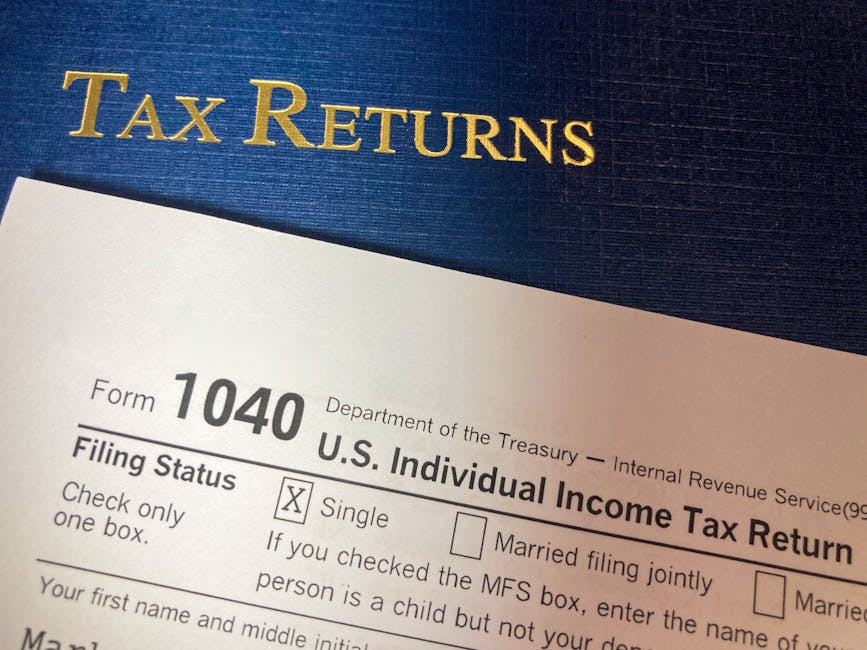
3. The assumption that immigrants do not contribute financially
There is also a widespread immigration myths that immigrants do not pay taxes or contribute to public systems. This idea is not only inaccurate, but it overlooks a major part of how communities function.
Many immigrants, regardless of status, contribute through various forms of taxation. This includes income taxes, payroll taxes, and everyday purchases that generate sales tax.
These contributions support public services such as schools, infrastructure, and healthcare systems. In other words, immigrants are actively participating in and supporting the same systems that benefit the broader population.
It is also important to consider the long-term economic impact. Immigrants often start businesses, create jobs, and contribute to local economies in ways that go beyond basic taxation.
When you look at the full picture, it becomes clear that these immigration myths do not reflect reality.
4. The belief that the process is quick and straightforward
Many people assume that applying for immigration benefits is a simple or fast process. This myth can lead to unrealistic expectations and poor planning.
In reality, immigration processes are often detailed, time-consuming, and highly structured. Applications may require extensive documentation, background checks, interviews, and long waiting periods.
Even small mistakes can lead to delays or requests for additional information. In some cases, errors can result in denials that are difficult to reverse.
What makes this more challenging is that timelines are not always predictable. Processing times can vary based on the type of application, government workload, and policy changes.
Believing in these kinds of immigration myths can lead to rushed decisions and unnecessary frustration throughout the process.
5. The idea that every case is basically the same
Another common myth is the belief that all cases follow the same path. People often compare their situation to someone else’s and expect similar results.
The truth is that no two cases are exactly alike. Immigration decisions are based on a combination of factors, including personal history, documentation, eligibility, and timing.
What worked for one person may not apply to another, even if the situations seem similar on the surface.
Relying on generalized advice can lead to mistakes, especially when important details are overlooked. Immigration processes require a personalized approach that takes into account your specific circumstances.
This is particularly important for those pursuing long-term options like permanent residency, where strategy and timing can make a significant difference. Breaking away from these immigration myths is key to approaching your case correctly.
Why these misconceptions create real problems
Believing in immigration myths does not just affect opinions, it can have real consequences. Misunderstandings can lead to poor decisions, missed opportunities, or unnecessary delays.
For individuals going through the process, misinformation can result in submitting the wrong documentation, choosing the wrong path, or underestimating what is required.
On a broader level, these misconceptions can also shape how immigrants are treated in their communities. They can contribute to bias, create barriers, and make an already complex process even more difficult.
This is why having accurate, reliable information is so important. The more clarity you have, the better decisions you can make instead of relying on immigration myths.
What actually makes a strong immigration case
Instead of relying on assumptions, it is more helpful to focus on what truly matters in an immigration process.
Strong cases are built on
- Clear and consistent documentation
- A well-defined legal strategy
- Accurate and complete information
- Preparation for potential challenges
- An understanding of timelines and requirements
Moving away from immigration myths and focusing on facts allows you to approach the process with a clearer perspective and a stronger position.
Ready to take the next step with the right support
If you are planning to apply for a green card or move forward with any immigration process, having the right guidance can make a significant difference.
I’m Carla Caballero, a green card lawyer focused on helping clients build strong, well-prepared cases based on their specific goals. Immigration is not a one-size-fits-all process, and the strategy behind your application matters.
I work closely with my clients to identify risks early, strengthen documentation, and make sure every part of the case is aligned and clearly presented.
If you are ready to move forward, this is the moment to do it with clarity and confidence. Avoid common mistakes, leave behind immigration myths, and take the next step with a strategy designed for your case.